


A light and interactive park is a significant innovation in urban design, utilizing smart and creative lighting to provide a unique and engaging experience for citizens and visitors. Beyond visual aesthetics, these parks foster social and cultural interaction and serve as a premier attraction for city nightlife. In this article, we will provide a comprehensive and practical overview of the key stages involved in designing, implementing, and operating a light park.
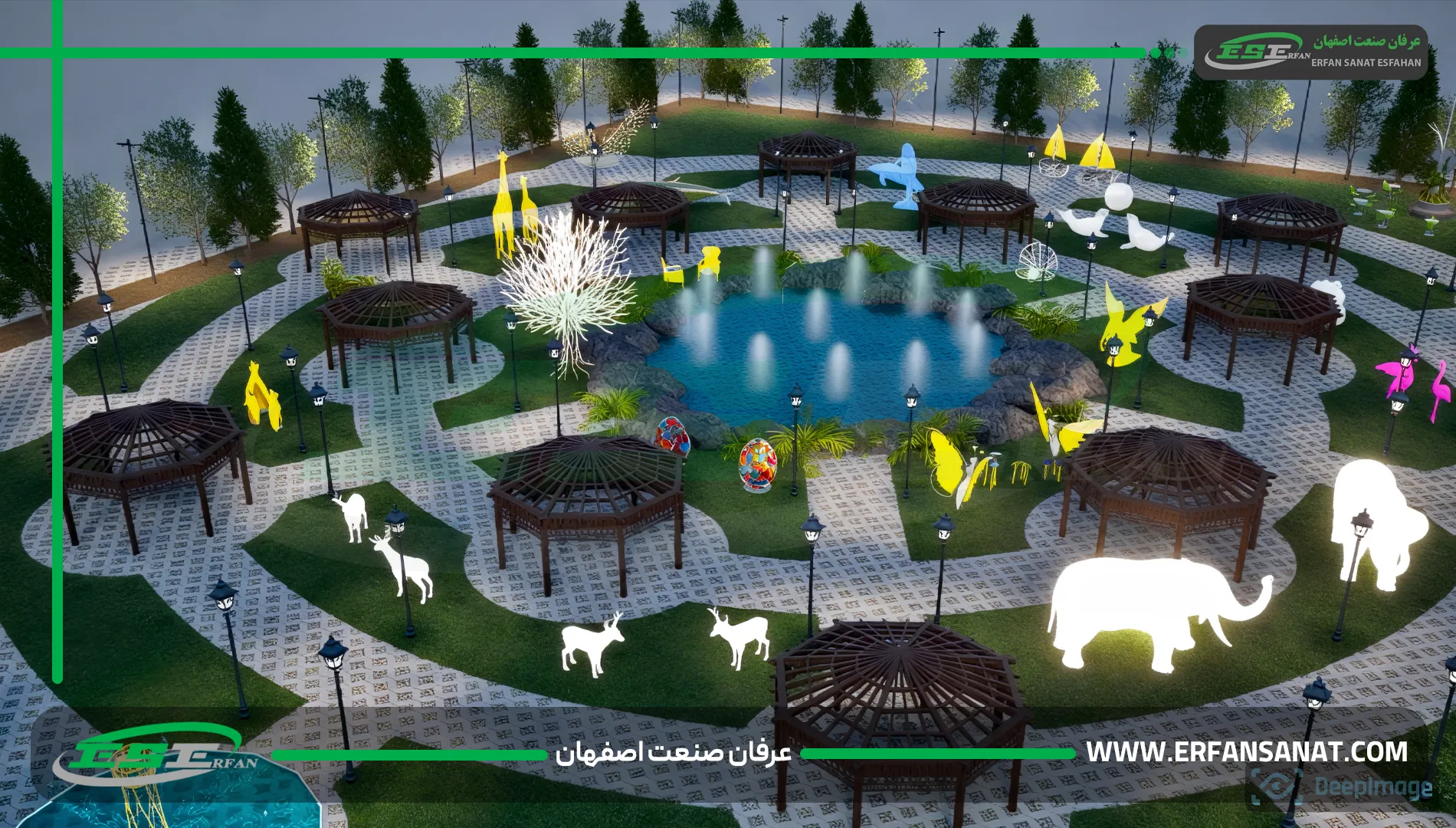
What is an Interactive Light Park?
A light park is an urban space featuring luminous elements, interactive games, and artistic structures powered by advanced lighting technology. The primary goal is to create a vibrant nighttime atmosphere, boost social engagement, and attract tourists. These parks go far beyond standard lighting; by creating a distinct environment, they significantly enhance the quality of urban life.
Stages of Light Park Implementation
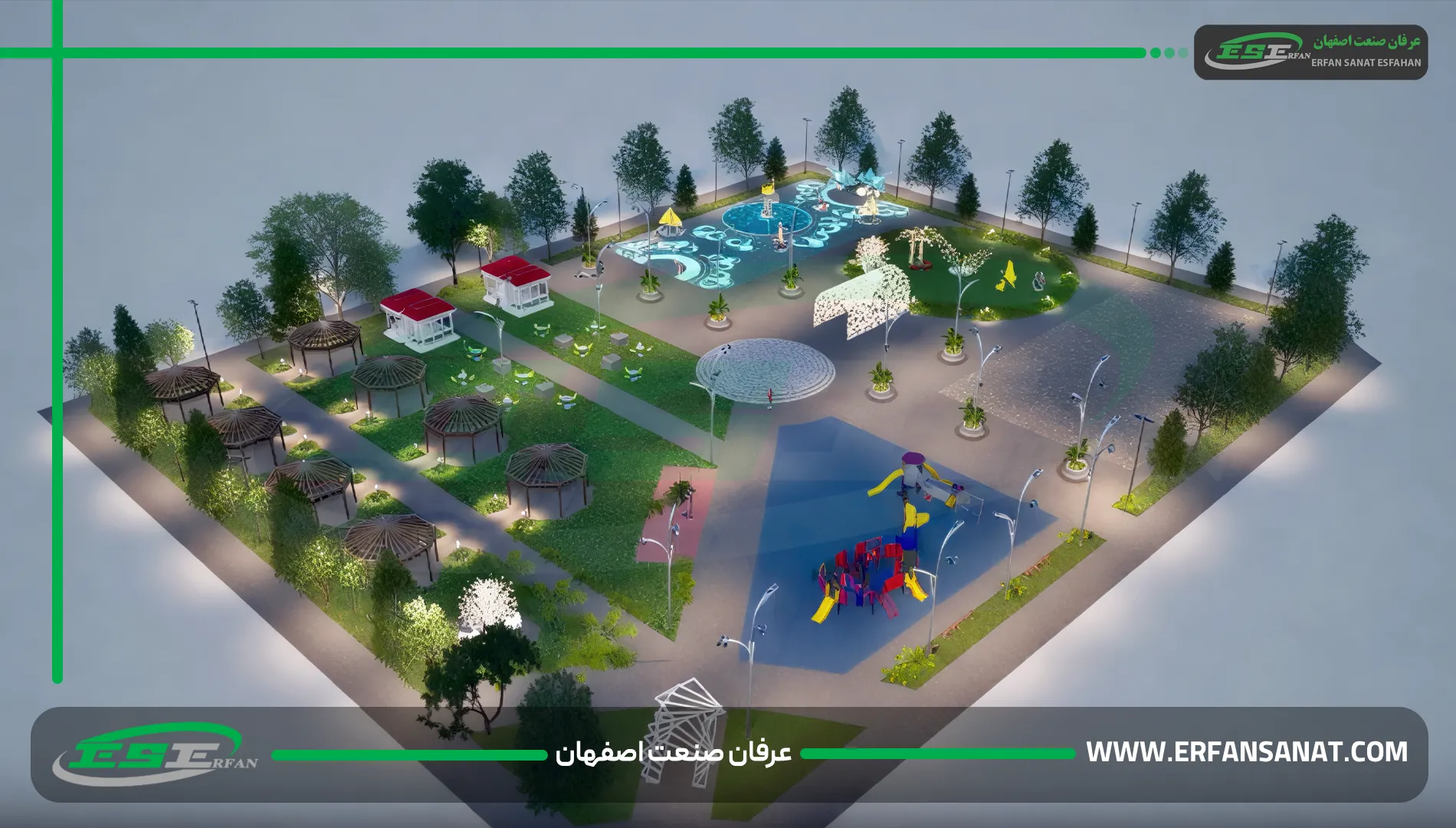
The first step in launching a light park is selecting the right location. This choice is based on criteria such as easy accessibility, existing infrastructure (including parking and commercial hubs), social security, and future expansion potential. Detailed feasibility studies at this stage lay the foundation for the project’s success.
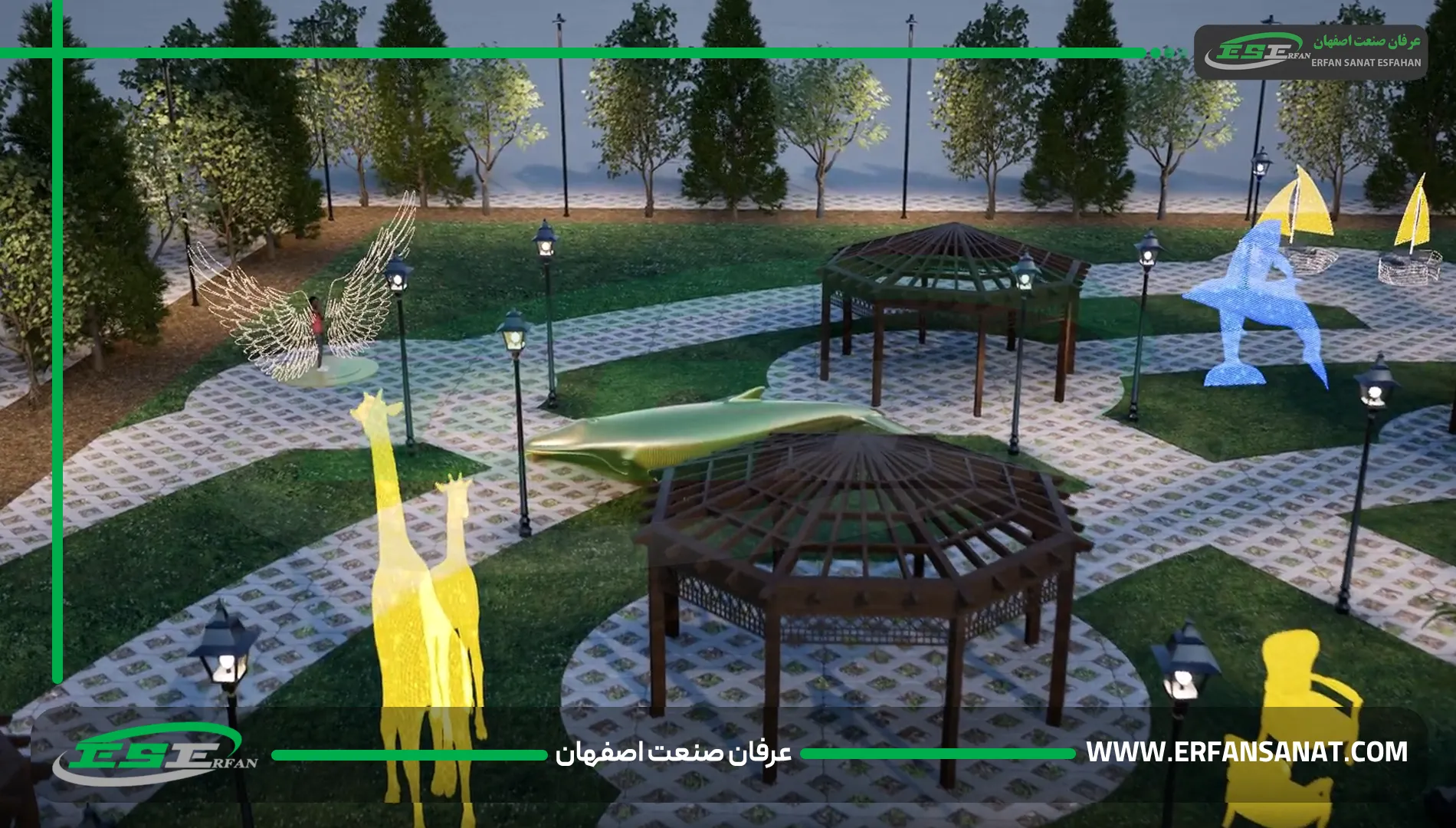
Once the location is secured, conceptual design begins. During this phase, elements such as glowing trees and animals, light tunnels, interactive games, and artistic installations are designed based on the environment’s characteristics and project goals. This combination creates a truly immersive experience for visitors.
Next, technical and executive blueprints are prepared. These plans include cabling routes, light control systems, the selection of lighting hardware (such as LEDs and controllers), and safety systems like earthing and lightning protection.
 The procurement of essential equipment—including smart controllers, pixel LEDs, interactive sensors, and weather-resistant elements—is of vital importance. Erfan Sanat Isfahan, backed by a specialized team, manufactures this equipment with high quality and in accordance with international standards.
Project execution involves installing lighting fixtures, cabling, setting up control systems, and programming light animations. Mobile applications allow for the real-time management and adjustment of lighting schedules.
Before the grand opening, comprehensive system testing and operator training are essential to ensure flawless performance. Once operational, regular maintenance and software updates help preserve the system’s quality and long-term sustainability.
Benefits of Developing Light Parks in Urban Spaces
Light parks play a crucial role in revitalizing neglected urban areas and enhancing security during nighttime hours. By attracting tourists, these projects drive economic and cultural growth in the region and strengthen urban identity. Furthermore, given the advertising and revenue-generating potential, these projects often see a rapid return on investment (ROI).
Why Choose Erfan Sanat Isfahan?
With over a decade of experience in designing and executing urban lighting projects, Erfan Sanat Isfahan is recognized as a leading knowledge-based company. We offer expert consulting services, high-quality domestic equipment manufacturing, genuine warranties, and comprehensive after-sales support. Our experienced technical and executive teams guarantee the success of your light park projects.
An interactive light park is where art, technology, and social interaction meet to improve urban living standards and turn silent spaces into dynamic environments. A successful project requires meticulous planning, expert collaboration, and a reliable partner like Erfan Sanat Isfahan.
Case Studies and Successful Light Park Examples in Iran
In recent years, several projects in Iran have aimed to create interactive light parks, with successful examples demonstrating a positive impact on urban life and tourism. A prime example is the Isfahan Light Park, which has become a popular tourist destination by utilizing interactive elements and modern lighting. Beyond urban beautification, it has fostered social interactions and boosted local businesses. Similarly, projects in Kerman and Alborz provinces featuring specialized designs and up-to-date technologies have received excellent feedback from urban management and visitors alike. These cases prove that a well-coordinated light park can serve as a successful model for other cities across the country.
Environmental Considerations in Light Park Design
A primary concern in the design and implementation of light parks is environmental conservation and energy efficiency. Using low-consumption lighting equipment and innovative Full-Color LED technology plays a key role in reducing electricity usage. Products meeting international standards with long lifespans not only offer economic savings but also reduce heat generation and light pollution, helping maintain ecological balance and the health of the park’s greenery. Smart lighting systems that adjust based on time and environmental conditions prevent energy waste, making the light park a sustainable and eco-friendly landmark.
The Importance of Smart Lighting in Light Parks
Smart lighting is the heartbeat of any light park, providing precise control over color and light intensity through advanced technology. Beyond visual beauty, it enables diverse visual effects and interactive light games, creating a unique and lasting experience for visitors. Moreover, smart systems allow for precise scheduling and energy optimization, significantly reducing maintenance and operating costs. This technology also allows lighting to adapt to various events, national holidays, celebrations, and seasons, transforming the park into a living, breathing space.